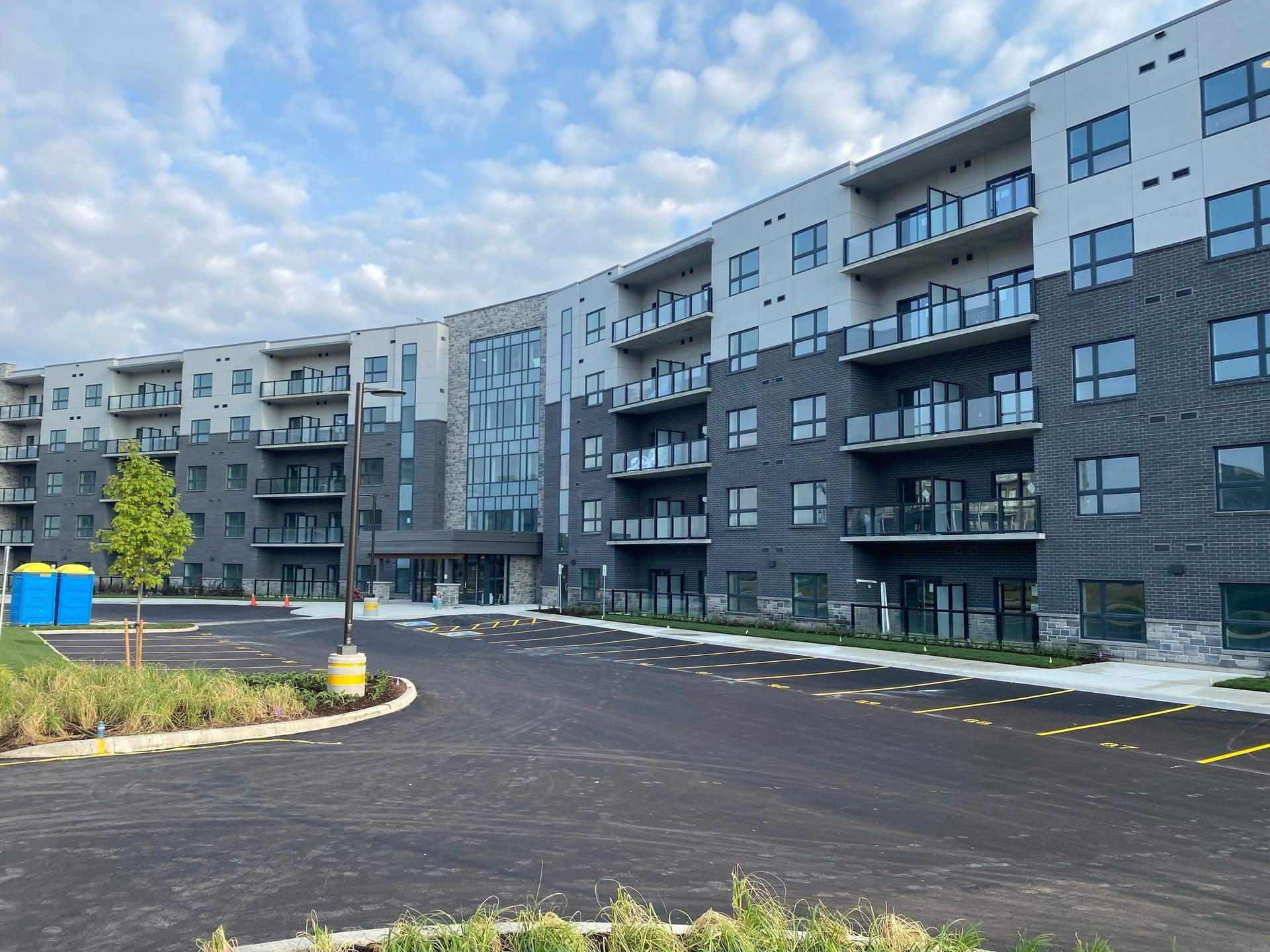

A review of how a Branded Residential component can, in a world of rising construction costs, make new-build development make financial sense.
Industry Insights
We have written thousands of articles about all aspects of hospitality, including valuations, investing, lending, operations, asset management, and much more.
From Niche Luxury to Financing Tool: Branded Residential Matures
A review of how a Branded Residential component can, in a world of rising construction costs, make new-build development make financial sense.
Shock, Divergence, and Recovery: The Impact of the 2026 U.S.–Iran Conflict on GCC Hospitality
The 2026 U.S.-Iran conflict caused a sharp, rapid disruption to GCC hospitality by collapsing aviation capacity and traveler confidence. While flights began recovering after April, hotel demand lagged. Internationally exposed markets like the UAE were hit hardest, while Saudi Arabia showed resilience due to domestic and religious demand. Recovery is expected to be gradual, driven more by confidence than connectivity.
In Focus: Singapore
In Focus: Singapore provides an overview of Singapore's tourism landscape and hotel market performance, infrastructure developments, hotel transactions and investments in 2025, an in-focus topic on wellness within the hospitality sector, as well as an outlook.
The Growth Driving Hospitality Strength in Raleigh
Raleigh’s hotel market outlook remains strong, supported by its role as North Carolina’s capital and its education, healthcare, and manufacturing sectors. Demand, ADR, and RevPAR continue to rise despite new supply additions, with demand growth outpacing new supply. Major convention, mixed-use, and healthcare developments are expected to further strengthen hotel demand.
Sedona’s Lodging Market: Resilience and Pricing Power
Nestled among the iconic red rock formations of northern Arizona, Sedona is one of the most distinctive leisure destinations in the American Southwest. Over the past decade, Sedona’s hotel market has demonstrated remarkable resilience, supported by strong leisure demand, constrained hotel supply, and a reputation as a premium outdoor and wellness destination.
Hotel Discount Rates and Equity Yields: A Decade of Shifting Investor Expectations
Over the past decade, equity yields for hotel investments have declined steadily across all segments, reflecting growing investor confidence in the asset class. Discount rates, by contrast, have remained relatively stable, moving with broader economic conditions. With equity yields approaching a natural floor, stability is the most likely near-term outlook.
Beyond the Pipeline: Why Park City’s Growth Is a Function of Scale, Not Oversupply
Park City is experiencing an unprecedented wave of residential and hotel development, driven by expanding ski infrastructure and growing year-round demand. This article places current lodging growth in context by comparing Park City’s hotel supply to that of other mature ski resorts, illustrating why the market remains well positioned to absorb additional inventory over time.
Room Supply Constraints Limiting Convention Growth in Hartford
Hartford’s hotel market has demonstrated strong performance, with occupancy and ADR exceeding pre-pandemic levels. However, a significant decline in hotel room supply has hindered the convention center’s ability to attract large-scale events, underscoring the need for additional lodging to support long-term competitiveness.
Taormina Market Pulse 2026 - From the Grand Tour Heritage to a Global Luxury Destination
This article reviews the key dynamics shaping Taormina’s hotel market in 2026, from tourism demand and hotel performance to evolving supply patterns, lifestyle positioning and investment activity.
MBA CREF 2026 Conference Key Takeaways: Debt Markets, Liquidity, and the Evolving Real Estate Cycle
Discussions at the MBA CREF 2026 conference in San Diego highlighted several key shifts in commercial real estate capital markets, including the growing dominance of debt, strong private credit liquidity, and ongoing asset repricing following recent market volatility. While these trends affect all property types, they carry notable implications for the hospitality sector.
Industry Insights
We have written thousands of articles about all aspects of hospitality, including valuations, investing, lending, operations, asset management, and much more.
The 2026 U.S.-Iran conflict caused a sharp, rapid disruption to GCC hospitality by collapsing aviation capacity and traveler confidence. While flights began recovering after April, hotel demand lagged. Internationally exposed markets like the UAE were hit hardest, while Saudi Arabia showed resilience due to domestic and religious demand. Recovery is expected to be gradual, driven more by confidence than connectivity.
In Focus: Singapore provides an overview of Singapore's tourism landscape and hotel market performance, infrastructure developments, hotel transactions and investments in 2025, an in-focus topic on wellness within the hospitality sector, as well as an outlook.
Raleigh’s hotel market outlook remains strong, supported by its role as North Carolina’s capital and its education, healthcare, and manufacturing sectors. Demand, ADR, and RevPAR continue to rise despite new supply additions, with demand growth outpacing new supply. Major convention, mixed-use, and healthcare developments are expected to further strengthen hotel demand.
Nestled among the iconic red rock formations of northern Arizona, Sedona is one of the most distinctive leisure destinations in the American Southwest. Over the past decade, Sedona’s hotel market has demonstrated remarkable resilience, supported by strong leisure demand, constrained hotel supply, and a reputation as a premium outdoor and wellness destination.
Over the past decade, equity yields for hotel investments have declined steadily across all segments, reflecting growing investor confidence in the asset class. Discount rates, by contrast, have remained relatively stable, moving with broader economic conditions. With equity yields approaching a natural floor, stability is the most likely near-term outlook.
Park City is experiencing an unprecedented wave of residential and hotel development, driven by expanding ski infrastructure and growing year-round demand. This article places current lodging growth in context by comparing Park City’s hotel supply to that of other mature ski resorts, illustrating why the market remains well positioned to absorb additional inventory over time.
Hartford’s hotel market has demonstrated strong performance, with occupancy and ADR exceeding pre-pandemic levels. However, a significant decline in hotel room supply has hindered the convention center’s ability to attract large-scale events, underscoring the need for additional lodging to support long-term competitiveness.
This article reviews the key dynamics shaping Taormina’s hotel market in 2026, from tourism demand and hotel performance to evolving supply patterns, lifestyle positioning and investment activity.
Discussions at the MBA CREF 2026 conference in San Diego highlighted several key shifts in commercial real estate capital markets, including the growing dominance of debt, strong private credit liquidity, and ongoing asset repricing following recent market volatility. While these trends affect all property types, they carry notable implications for the hospitality sector.
Robust demand in urban centers continues to drive Canadian hotel values despite high interest rate environment.